
August Update: What is programmatic advertising, and does your business need it?
Welcome to this month's update! Here's what you'll find in this update (click a section to go directly there):
Programmatic Advertising: What is it, and does your business need it?
Thanks to Stuart Mullet, our head of paid advertising, for writing this article!
Depending on how much you stay updated with marketing terms and strategy, you may have heard the term "programmatic advertising."
This form of marketing is one of the new kids on the block, and we get a lot of questions about what it is, how it works, and if it's right for your business.
So in this month's updates, we answer the 3 main questions we get about programmatic advertising:
- What is it?
- How does it work?
- Is it right for your business?
What Is Programmatic Advertising?
Programmatic advertising is the process of buying and selling digital ad space. It's a paid advertising approach that puts your brand in front of relevant audiences and helps you build your sales funnel effectively and rapidly.
Programmatic ads are served in 4 channels:
- Display advertising on websites and apps
- Over-the-top (OTT) services and connected TV (CTV)—think Netflix, Hulu, Fubo, YouTubeTV, etc.
- Streaming audio platforms like Spotify and podcasts
- Digital out-of-home (DOOH) signage, such as digital billboards
Programmatic targeting methods for serving ads in these channels can be broken down into 4 categories:
- Location: Location targeting can be hyper-focused with programmatic advertising, where advertisers target only devices that enter a certain building, or even a section of a building. It can also be quite broad, where advertisers cover multiple states, filtering their targeting by audience categories.
- Online behavior: Users are served ads based on what they engage with on the web or in apps they use. For example, if you show interest in hiking shoes on Amazon, chances are you’ll see their ads as you browse the web or check the weather. Or, if you’re reading a blog about hiking the Appalachian Trail, you start seeing ads for hiking gear brands because they target websites and online newsletters related to hiking.
- Weather: Advertisers can use real-time weather data to trigger ads in specific locations. A company that sells small tractor snow plows might consider displaying these ads in their target area when a significant snowfall is forecasted.
- Programmatic direct: This is when advertisers work directly with publishers (e.g. websites that display ads) to purchase ad space. For instance, a health food company might partner with a publisher of wellness content, ensuring their ads run alongside articles on clean eating.
Advertisers use these various channels and targeting methods based on the client's goals. Before we get into deciding on what’s right for you, let’s look at how programmatic advertising works. But first, a comic from Speed Bump giving us a glimpse at real time programmatic advertising 😃

How Does Programmatic Advertising Work?
Advertisers who run traditional marketing understand the manual process of buying ad space, whether it's in a newspaper, newsletter, magazine, billboard, etc.
Programmatic advertising, on the other hand, displays ads instantaneously in digital spaces. Instead of physical locations, programmatic ads show up on various websites, apps, TVs, and audio platforms.
Here’s how it works:
- An advertiser wants to promote a product or service
- A user (let’s call him John) visits a website that sells ad space, and an ad request is sent to multiple programmatic advertising platforms
- If John matches the targeting criteria for any campaign built within those advertising platforms, those campaigns bid for an impression in that ad space
- The highest bidder wins, and that bidder’s ad impression is delivered to John’s screen
This entire process occurs almost instantaneously—around 200 milliseconds!
And because it is so targeted to certain criteria, it becomes evident how this becomes a powerful tool for promoting your business and expanding your audience.
The power of programmatic advertising is the ability to build awareness of your brand with confidence that you’re only showing up for relevant potential customers.
Programmatic advertising, however, is not without pitfalls, and the industry is plagued by ad fraud and dirty audience data.
The key to managing these campaigns and addressing these issue are as follows:
- Analyzing performance data and the domains in which your ads serve
- Focusing on your location targeting
- Using first-party audience data that is valuable (we’ll say more on first-party data below)
Like any form of paid advertising, we recommend asking your marketing team or agency about their efforts to minimize fraud and wasted ad spend.
Is Programmatic Advertising Right For Your Business?
There is no doubt that programmatic advertising is a powerful tool, but is it right for your business?
First, let's look at an example of programmatic strategy being used with geotargeting: Maybe you’re a high-dollar outdoor furniture company that only wants to show up for homes with new decks or patios, and you also want to target specific local high-income neighborhoods.
Using programmatic advertising, an agency can set up targeting that gets this specific: only homes in certain high-income areas see the ads, and it's only homes that have recently built a new deck or patio.
If used well, programmatic advertising gets you in front of your target customer quickly and without wasting money.
In addition, you can leverage website visits from these campaigns for retargeting in other advertising channels like Google Ads, so that you can keep your brand in front of them as they make their way down the funnel toward a sale.
So, how do you know if this is right for your business?
1 - You have 1st-party data to leverage
If you have a strong CRM or historical web behavior data, programmatic advertising enables you to retarget users or create lookalike audiences, improving both relevance and ROI. Here are some example use cases:
- You want to build the lifetime value of your customers, perhaps by encouraging them to purchase again
- You want to build customer loyalty by offering additional value to them based on their previous purchases.
- You want to target folks who’ve abandoned their cart, or initiated checkout without following through on a purchase
- You want to target newsletter or email subscribers
- Your store has a rewards program, and you want to promote sales to that audience.
The question to ask yourself: Can I bring additional value to my customers in this way?
2 - You want to fill the top of your sales funnel
Filling the top of your sales funnel is another way of saying "building brand awareness." This process is crucial to creating sustainability and growth year over year for your business.
However, it can sometimes feel like you’re just throwing money at audiences that won’t convert for a long time. While awareness campaigns don’t often convert into sales right away, if you’re not filling the top of your funnel, you become vulnerable to diminished returns to your advertising long-term and your competitors capitalizing on your brand's limited online presence.
The question to ask yourself: What am I doing to build my brand today, and should I consider getting more aggressive with that digitally?
3 - You want to capitalize on current profitability
If you’ve done work in a specific neighborhood or town, and you would love to work in that neighborhood more, programmatic advertising can help you serve ads to those neighborhoods that may have seen your trucks driving down the street.
This additional visibility shows relevant audiences your brand and how they too might benefit from what you have to offer.
The question to ask yourself: Where am I seeing profitability and how I can capitalize on that?
4 - You want to show up for people wherever they are
Many stores that want to drive foot traffic feel the pain of advertising costs, and sometimes see little uptick in shoppers. Often, the key to healthy foot traffic is multi-channel marketing where you’re showing up for people when they are on Google, YouTube, social media, and more.
Programmatic advertising is a great way to increase your digital presence, getting in front of these users when they’re on the web or streaming a show. And you can do this with highly focused targeting that doesn’t waste your money on irrelevant audiences.
The question to ask yourself: Do I need to boost my visibility to drive more sales activity?
Conclusion
Programmatic advertising offers precision, speed, and reach that few other channels can match. But its complexity means it can quickly become inefficient without the right guardrails.
By knowing when to use it and following smart best practices, brands can unlock enormous value.
At LifeX Marketing, we help clients tap into programmatic’s potential while avoiding its pitfalls. If you're considering adding programmatic to your media mix—or want to improve how you're using it—we’d love to talk. Contact your account manager or schedule a call today!
6 Thought-Provoking Graphics
Recently I found these photos, and I found them to be challenging. I hope you find them as thought-provoking as I did!


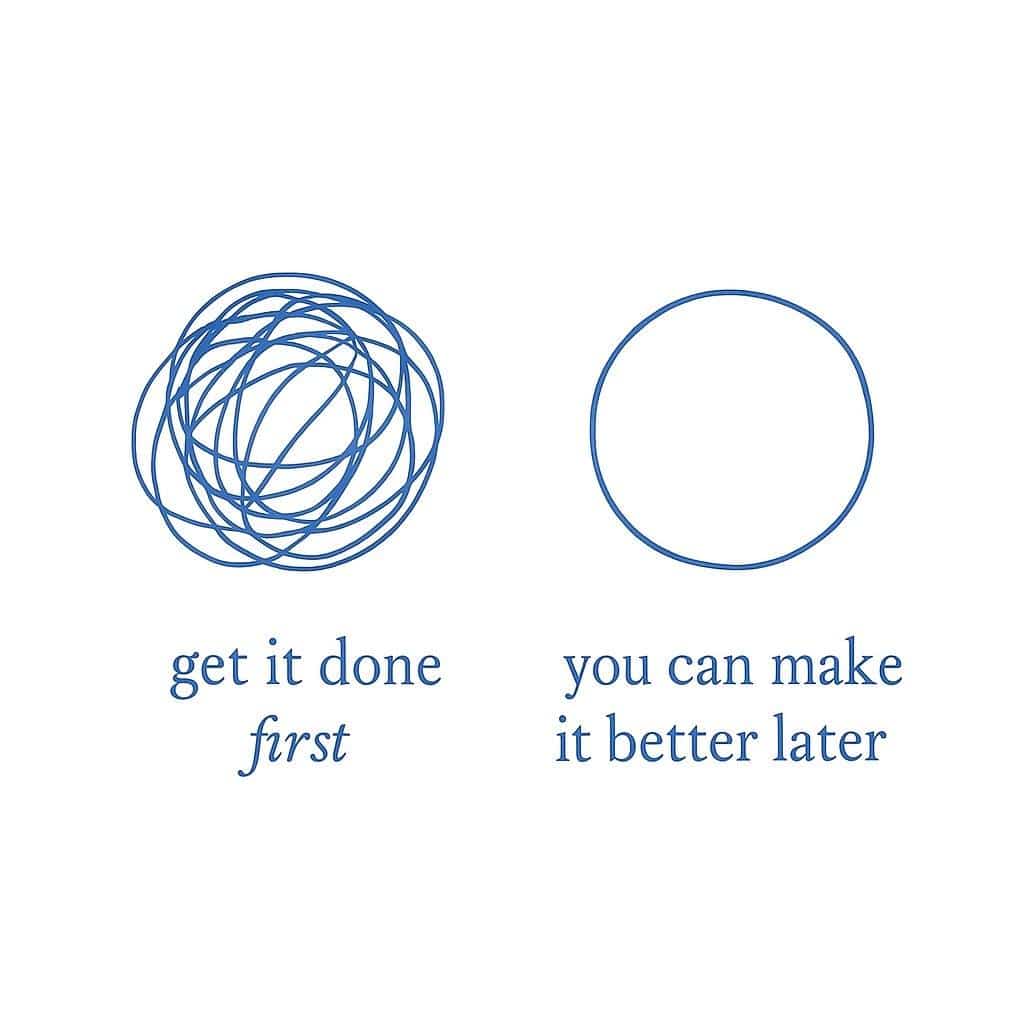

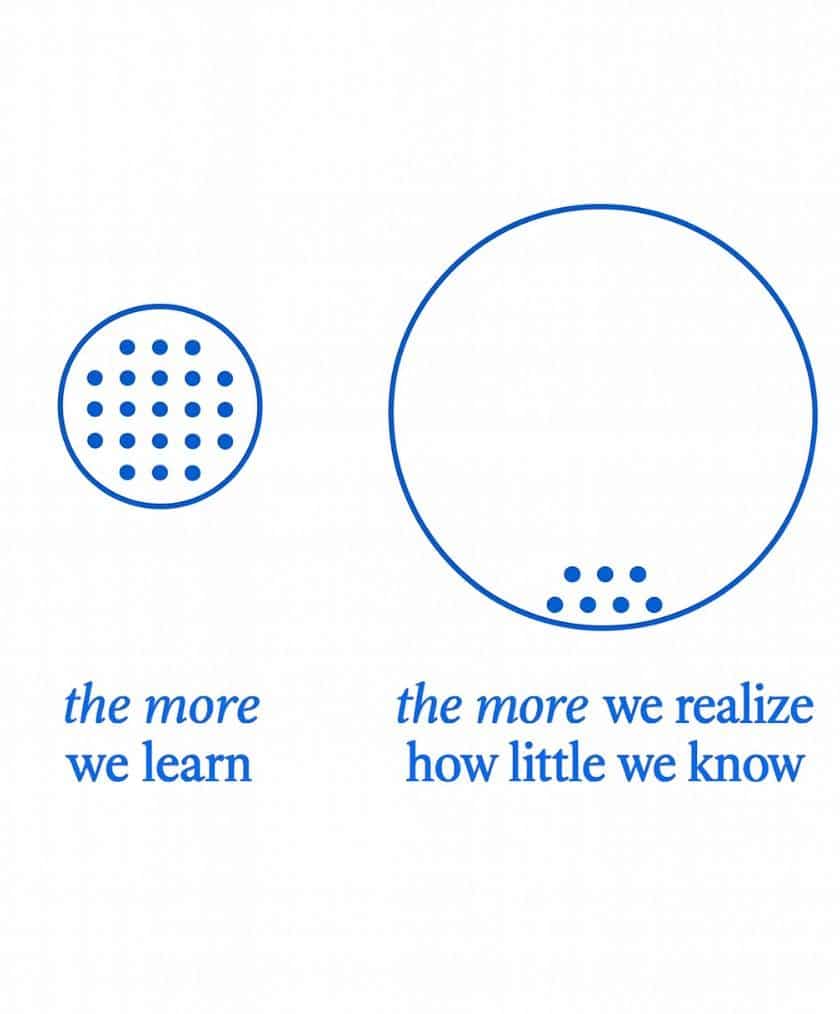

Meet Onur - Project Manager & Google Ads Assistant

Onur is a project manager through and through. He loves building processes for just about anything because there’s something satisfying about making things run smoothly. His talent for organization and problem-solving has been invaluable in keeping things running smoothly at LifeX.
When he’s not fine-tuning systems, you’ll probably find him gaming, grilling, working out, exploring, or trying new things, his most recent experience being the BeanBoozled board game.
Onur feels his best when life is in order, his bills are paid, his groceries are stocked, the house is clean, and all his responsibilities are taken care of. There’s nothing better than knowing everything is handled so he can relax in his cozy space and enjoy some games.
Monthly Meme
Those pesky spacebar gaps 😀

How Can We Pray For You Or Rejoice With You?
Thank you to those who provide prayer requests - our team appreciates the opportunity to bring your requests to God in prayer in our Monday morning meetings and throughout the week.
It's part of our mission at LifeX Marketing: Multiplying wholeness in the lives of our team, clients, and communities by living like Jesus.
If you have a way we can pray with your team or rejoice with you, please leave it here.
Thoughts or Comments?
We always love hearing from people; please leave your comment or feedback below!
"*" indicates required fields